

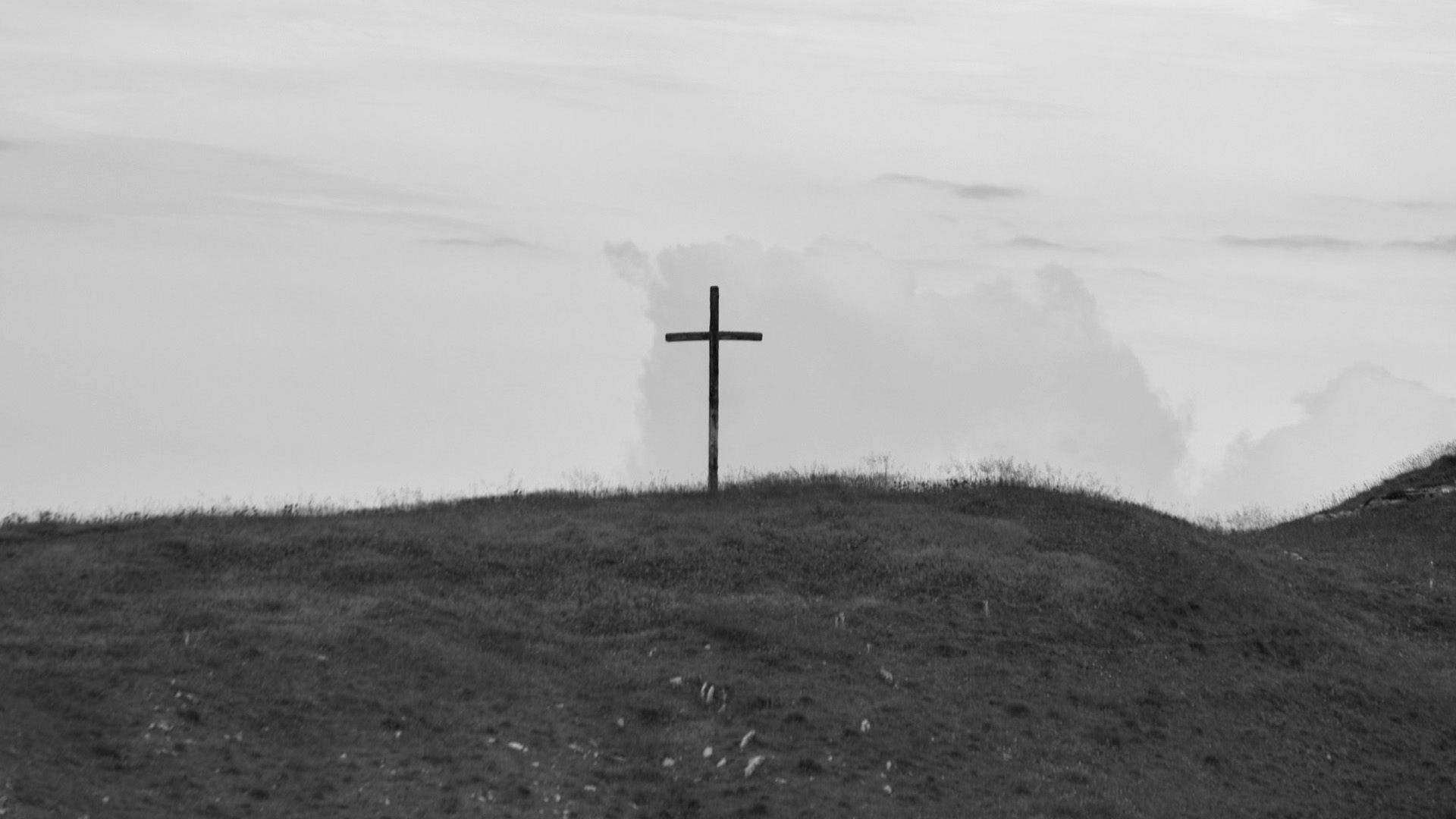
Characters at the Cross
A guest blog by Rebecca DeLucia, Next Generation Pastor
In today’s Bible Reading plan, we are in Luke 23—a chapter jam-packed with action, a slew of characters, plenty of plot, and so much more. In this chapter, we come across the stories of three unexpected individuals. None of them are the “main characters,” yet
each shows us something about what it means to follow Jesus.
The first character we meet is Simon of Cyrene. Simon doesn’t wake up that morning planning to serve Jesus; he’s simply passing by when Roman soldiers seize him and force him to carry the cross behind Christ. It’s an interruption, an inconvenience, and maybe even a moment of humiliation. But even in that forced act, Simon teaches us something, as he quite literally lives out Jesus’ earlier call to
“take up your cross and follow me.”
There’s something uncomfortable about Simon’s story because it reminds us how often we resist interruption. We prefer planned acts of service—things that are on our schedule and in our comfort zone. Following Jesus, however, often looks like being pulled into moments we didn’t choose: helping when it’s inconvenient, showing up when it’s costly, and stepping into someone else’s burden when we’d rather keep walking. The question Simon leaves us with is simple: “What do you do when following Jesus disrupts your plans?” Do you fight it, avoid it, or step into it?
Then there is a character with no name—one who hangs on a cross, guilty, broken, and nearing death. He, like so many of us, is deeply aware of his own failure. Unlike the other criminal who mocks Jesus, this man recognizes both his guilt and Jesus’ innocence. Then he makes a desperate, honest request: “Jesus, remember me when you come into your kingdom.” He has nothing to offer: no good works left to perform and no time to fix his past. In fact, all he brings is trust. And in one of the most astonishing moments in Scripture, Jesus responds with grace:
“Today you will be with me in paradise.”
The thief’s story strips away every excuse we tend to make. We tell ourselves we need to clean up first—to be better, to have something to give. But this story, and in fact the whole story of the cross, tells a different one. The only thing required is turning toward Jesus and trusting Him. So the question becomes: “What’s stopping you from fully trusting Jesus right now?” Pride? Shame? The illusion that you still have time? The thief reminds us that faith is not about having it all together; it’s about surrender.
Lastly, there is Joseph of Arimathea, a respected member of the council. He has status, influence, and something to lose. Luke tells us he did not agree with the council’s decision to condemn Jesus, and that he was waiting for the kingdom of God. But up until this moment, his discipleship has been quiet—until everything changes after Jesus dies. Joseph goes to Pilate and asks for Jesus’ body, a bold, public act that aligns himself with a crucified man and puts his reputation and standing at risk. He then carefully takes Jesus’ body down, wraps it in linen, and lays it in a tomb. It is an act of honor, courage, and costly devotion.
Joseph’s story confronts a different temptation we often face: the desire to keep our faith private when it’s easier or safer. It’s one thing to quietly believe in Jesus when there’s no opposition; it’s another to step forward when it might cost you something. Joseph’s story lingers with us and presents a potent question:
“Where is your faith still hidden when it should be visible?”
What’s striking is that all three of these characters encounter Jesus at the same place—the cross—yet respond in different ways. Following Jesus is not one-size-fits-all, but it is always costly in some way. It may look like stepping into an inconvenient moment to serve someone else. It may look like finally surrendering the weight of your past and trusting Jesus fully. It may look like going public with your faith, even when it risks your comfort, reputation, or relationships. Because the cross does not just save us; it calls us.
It calls us to carry what is heavy, to confess what is true, and to live with courage that reflects what we believe. Simon, the thief, and Joseph remind us that no matter where we start—reluctant, broken, or hesitant—we are all invited to respond. Because in the shadow of the cross, the only question that really matters is this: